Research

Signaling in time and space, and the decision to change fate

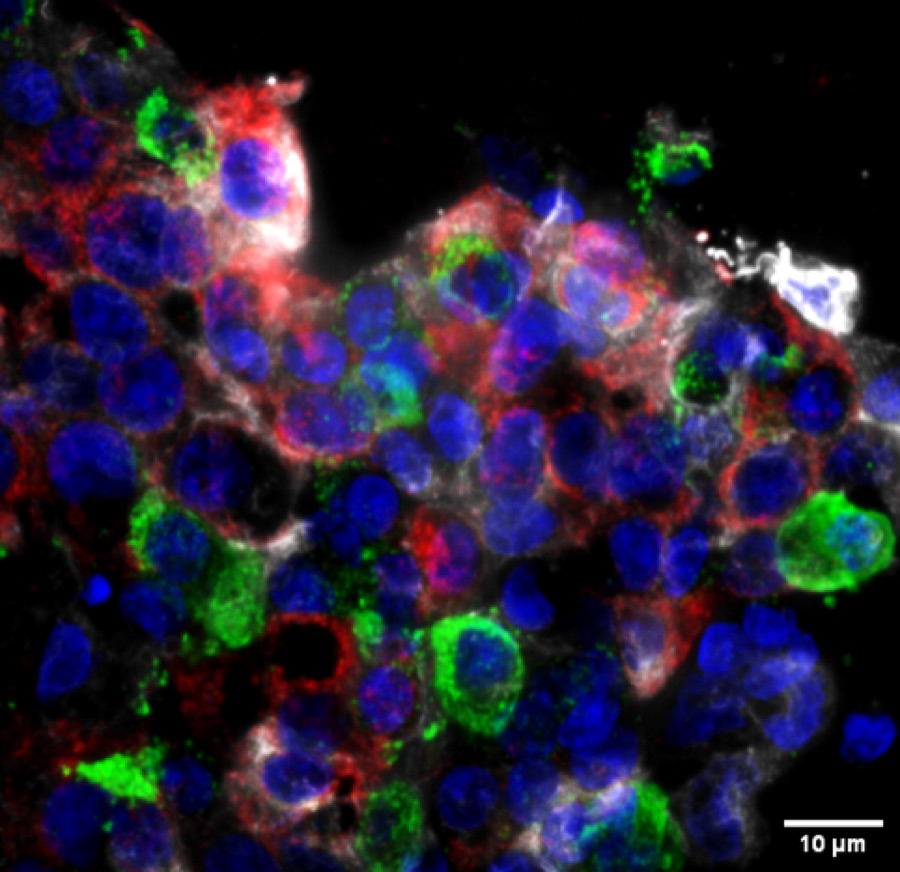
Cells constantly stand at decision points. The Turn Lab works to read those decisions as they happen, resolving where and when signaling unfolds to commit a cell to a new state.

Research focus

Where we’re looking

Focus 01

Primary Cilia: Signaling Human Health

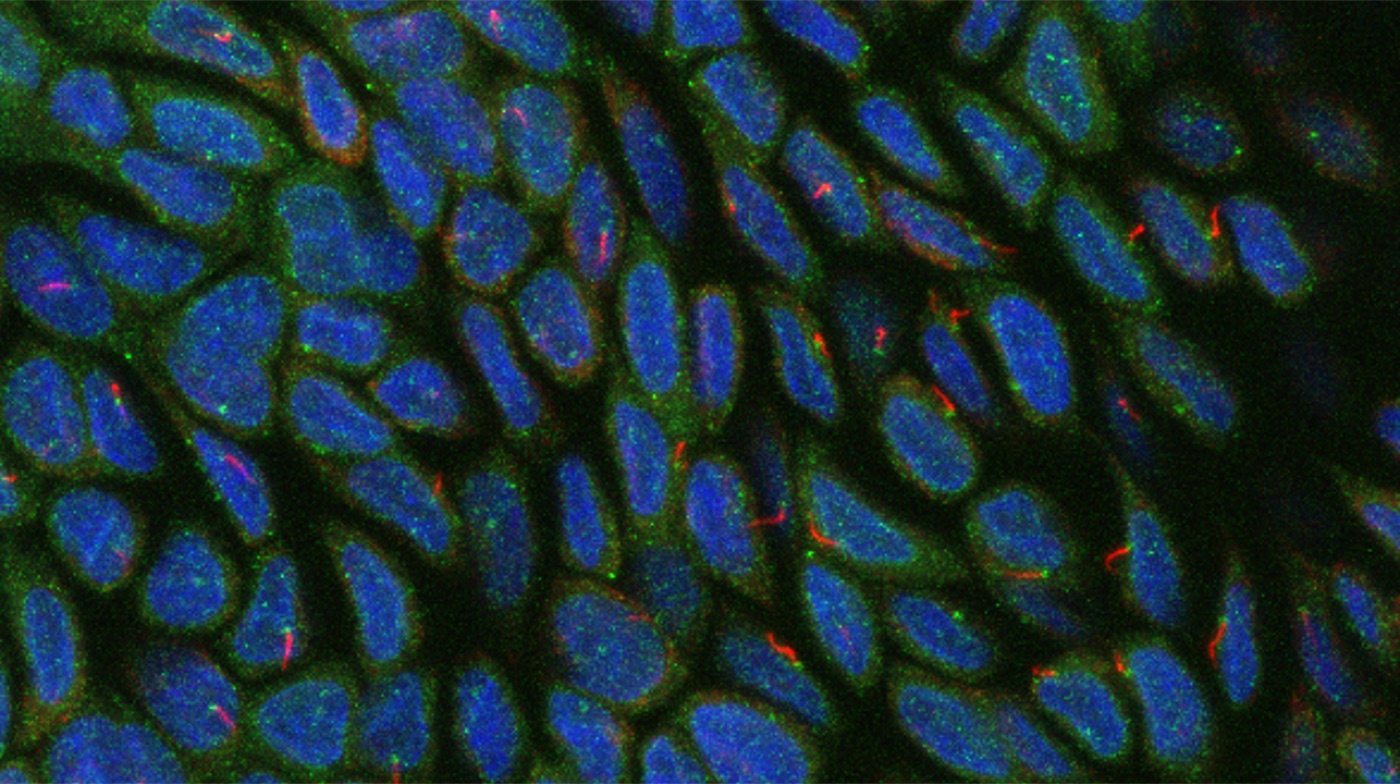
The primary cilium is a critical extracellular-facing signaling hub found in practically every quiescent cell in the body. Housing a number of tissue-specific GPCRs, these small (1/10,000th the total cell volume) but powerful signaling hubs sense a wide variety of cues ranging from metabolites, neurotransmitters, morphogens, odorants, and light. When disrupted, severe pathologies arise, ranging from developmental disorders to diseases that arise later in life (e.g., Alzheimer’s disease, diabetes, cancer). Our lab’s focus is on what are the molecular cues (on the order of protein complexes, dynamic protein-protein interactions, and post-translational modifications) that regulate primary cilia formation and function in time and space and how these transient cues can be the source of pathology when disrupted.
Focus 02

Cancer and Dysregulated G0

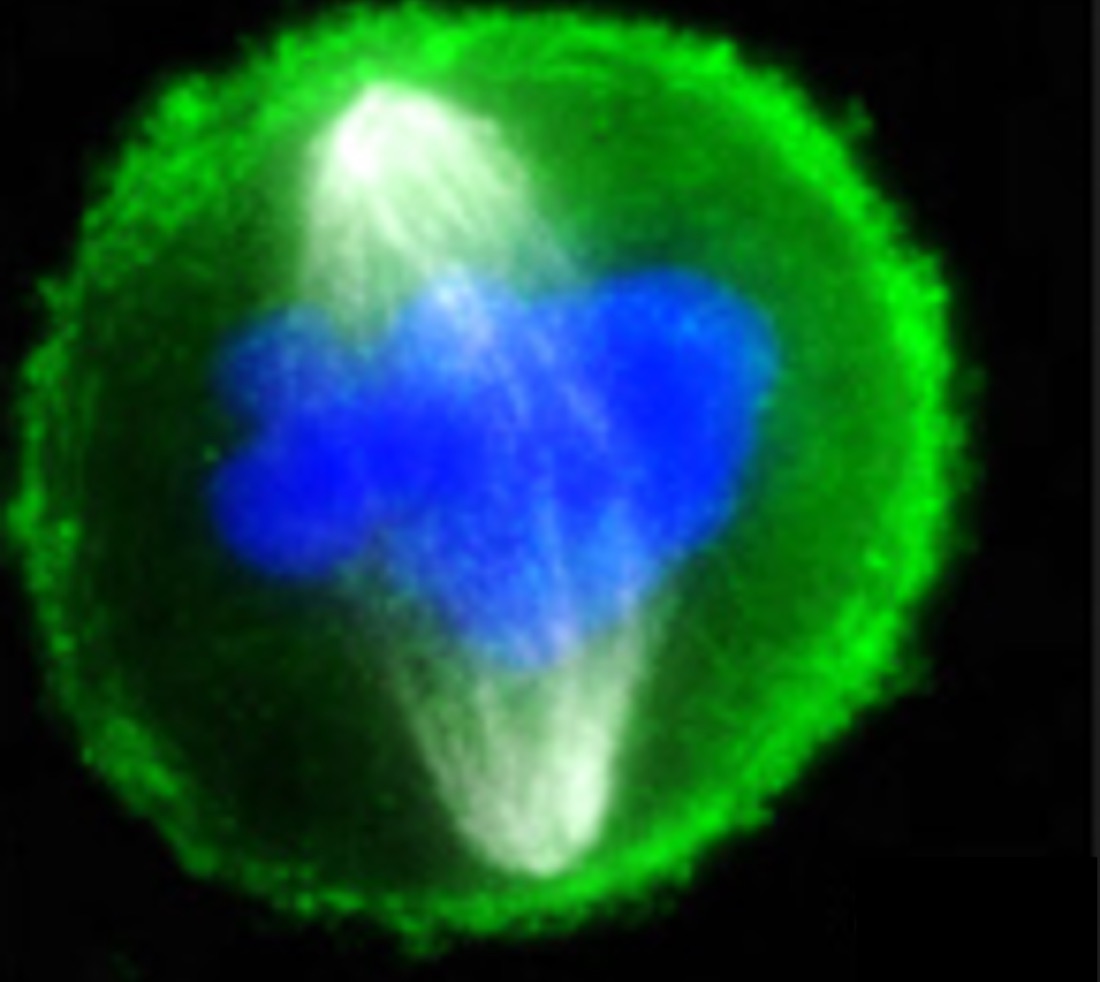
Under physiological conditions, nearly every cell in the body exits the cell cycle into G0, either as a quiescent stem cell poised to respond to stimulation or as a terminally differentiated cell performing fate-specific functions. Although dysregulated proliferation is a classic hallmark of cancer, the molecular markers and regulatory programs that distinguish G0 from G1, and how these programs are disrupted in cancer, remain comparatively understudied. This gap persists because the temporal and spatial mechanisms governing cell-cycle exit, including the checkpoints that establish stable G0 commitment, are not well understood. Our lab maps the cellular and molecular cues that drive commitment to G0 in noncancerous cells and determines how these programs are perturbed in cancer, including following oncogenic insults such as HPV infection. This work will identify biomarkers that distinguish healthy quiescence from cancer-associated cell-cycle dysregulation and may reveal therapeutic opportunities for cancer prevention, including strategies to target precancerous cells.

Focus 03

Stem Cells and Aging

For cells to establish and maintain healthy fate-specific functions, they undergo coordinated molecular, metabolic, and architectural reprogramming across space and time. Failures in these programs contribute to developmental disorders, age-associated disease, and impaired tissue regeneration. Identifying the mechanisms that establish and sustain cell-type-specific programs is therefore critical to human health. Our preliminary work identifies the primary cilium as a regulator of cell-fate control. We investigate how ciliary signaling coordinates adipogenesis, pancreatic islet-cell differentiation, and hematopoiesis, and how disruption of this signaling hub and associated molecular signatures destabilizes G0-associated programs. We aim to define the shared and lineage-specific molecular mechanisms through which primary cilia regulate stem- and progenitor-cell differentiation, and to determine how these mechanisms are altered with aging. Our overarching hypothesis is that aging disrupts a conserved ciliary signaling program required for stable G0 commitment and appropriate fate specification, thereby contributing to dysfunction across multiple organs. By resolving these processes in space and time, our work will identify biomarkers and therapeutic entry points to preserve healthy cell identity and regenerative capacity during aging.

Focus 04

Comparative Bioscience

We are fascinated by the extent to which fundamental biological processes are conserved (and diversified) across evolution. As part of the School of Veterinary Medicine, we investigate how cell-signaling mechanisms are shared or adapted among species, and how these similarities and differences shape health and disease. For example, we compare molecular programs that regulate pancreatic insulin secretion across mammalian species to identify conserved pathways as well as species-specific signaling features. By defining these cross-species principles, our work aims to strengthen the biological foundation for precision medicine to improve metabolic health in both human and veterinary patients.

Focus 05

Deciphering the Dialogue Between Pancreatic Islet Cells

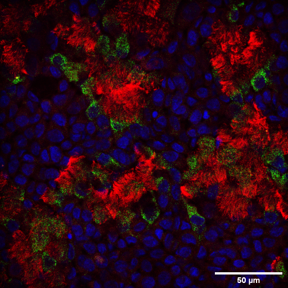
Human pancreatic islets are dynamic cellular communities in which α, β, and δ cells coordinate hormone secretion through local paracrine communication. Our research uses quantitative mass spectrometry to identify signals released by human islets and define their cellular sources, receptors, and functional effects. By integrating high-resolution imaging with time-resolved phosphoproteomics, we investigate how cells interpret these signals through localized GPCR activity and distinct phosphorylation programs. These studies aim to reveal the communication networks that collectively tune islet function and how their disruption contributes to diabetes and metabolic disease. This program is spearheaded by Dr. Mohammad Ovais Aziz-Zanjani.